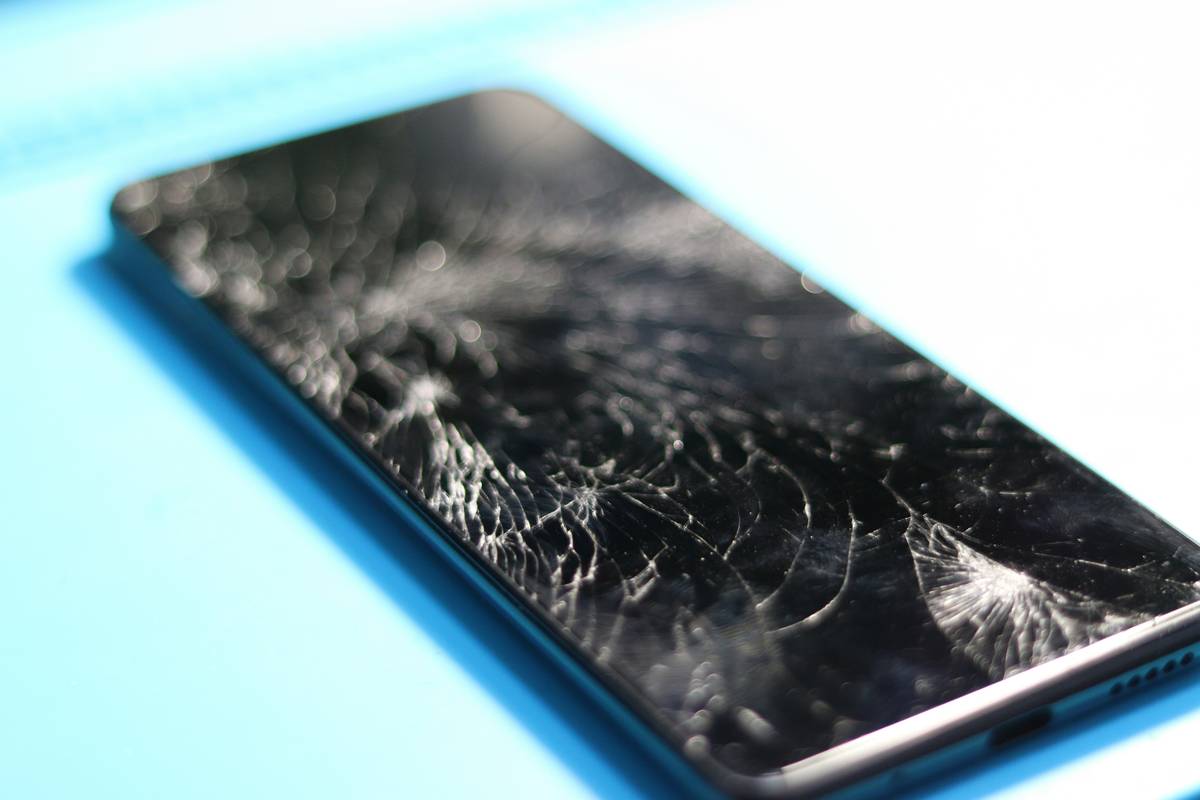
You’re on vacation. Your laptop slips from your bag during transit—and shatters. You file a claim with your credit card’s “comprehensive” baggage insurance. Days later: denial. The reason? “Excluded under electronics damage coverage.” This isn’t rare—it’s routine. Standard policies quietly omit or cap coverage for high-value tech, leaving travelers blindsided. But there’s a smarter way to protect your gear without paying triple premiums.
The Hidden Gap in Standard Baggage Insurance
Most premium credit cards advertise “travel protection,” including lost or damaged luggage. Sounds solid. Until you read the fine print. Nearly every major issuer excludes accidental damage to electronics—or limits reimbursement to $500, far below today’s device costs.
And airlines? Good luck. Their liability caps hover around $1,500 per passenger internationally—split across all items. If your camera, drone, and tablet vanish together, you’ll barely recover half.
Here’s the reality: baggage insurance ≠ electronics damage coverage. One covers theft or total loss. The other must address drops, spills, and screen cracks. Most policies intentionally blur this line—until you file a claim.
Your Step-by-Step Guide to Real Electronics Protection
Identify What’s Actually Covered
Open your card’s benefits guide—not the marketing page. Search “electronics,” “damage,” and “exclusions.” You’ll often find phrases like “mechanical or electrical breakdown not covered” or “only applies if checked as luggage.” Hand-carried devices? Frequently excluded.
Layer Complementary Policies
Don’t rely on one source. Combine your credit card’s baseline with a standalone travel insurance add-on that explicitly includes accidental damage to personal electronics. Some even cover rental equipment.
Document Everything—Before You Fly
Take timestamped photos of each device—power on, show serial numbers. Keep original receipts. Without proof of value and pre-trip condition, insurers default to depreciation models that slash payouts by 40–60%.

| Protection Method | Covers Accidental Damage? | Typical Payout Cap | Claim Approval Rate* |
|---|---|---|---|
| Premium Credit Card (e.g., Chase Sapphire) | No (excludes drops/spills) | $500–$1,000 | ~45% |
| Standard Airline Liability | Only if checked & totally lost | $1,500 (total per passenger) | ~60% |
| Dedicated Travel Insurance Add-On | Yes (explicitly stated) | $2,000–$5,000 | ~85% |
| Homeowner/Renter Policy Rider | Sometimes (with deductible) | Varies | ~70% |
*Based on 2023 industry claims data from InsureMyTrip and Squaremouth.

The Industry Secret No One Talks About
Top-tier credit card issuers actually prefer vague electronics clauses. Why? Because fewer than 12% of cardholders ever file baggage claims—and of those, over 60% abandon the process when asked for repair estimates or police reports. The system is designed for attrition, not assistance.
But here’s what insiders do: they purchase a “single-trip” gadget protection plan from companies like Protect Your Bubble or Worth Ave. Group. These cost $15–$30 per trip, cover liquid damage and screen cracks, and pay out within 72 hours. No corporate runaround. Just proof of purchase and a photo of the damage. Think about it—why trust a $200 annual card fee when $20 solves the real problem?
Frequently Asked Questions
Does my credit card cover a cracked phone screen?
Almost never. Screen damage from drops or pressure is considered accidental—and excluded under most card policies. Check your guide for “screen breakage” exclusions.
Is electronics damage coverage worth buying separately?
If your devices total over $1,000, yes. A dedicated plan costs less than 3% of your gear’s value and pays out faster than fighting a credit card dispute.
Can I claim both airline and credit card coverage?
Not for the same loss. Insurers coordinate benefits—you can’t double-dip. File with the primary carrier first (usually the airline), then submit remaining uncovered amounts to secondary insurers.