
If you’ve ever stood at a baggage carousel, heart pounding, watching suitcase after suitcase roll by—only to realize yours is missing—you know the panic. I’ve been there. On a trip from Chicago to Lisbon via a major European hub, my checked bag vanished. The airline shrugged; their “partner airline network” blamed the other carrier, and I was left holding receipts for $300 in emergency toiletries and clothes. That’s when I learned: baggage insurance isn’t automatic, even when flying across a partner airline network. This guide cuts through the fine print so you never get stranded like I did.
Table of Contents
- Why Your Partner Airline Network Matters for Baggage Protection
- Step-by-Step Guide to Securing Reliable Baggage Coverage
- 5 Best Practices for Stress-Free Travel with Multiple Carriers
- Real Cases: When Baggage Insurance Saved (or Failed) Travelers
- Frequently Asked Questions
Key Takeaways
- Baggage coverage varies wildly across a partner airline network—don’t assume one policy covers all legs.
- Credit card travel insurance often excludes partner-operated flights unless explicitly stated.
- Always verify which airline is the “marketing carrier” vs. the “operating carrier”—it affects claims.
- File claims within 24–48 hours of discovering loss or damage for best results.
- Third-party insurers like Allianz may offer broader protection than airline or card policies.
Why Your Partner Airline Network Matters for Baggage Protection
In today’s interconnected skies, most international itineraries involve at least two carriers working together—a partner airline network. While convenient, this setup creates gaps in baggage liability. Under the Montreal Convention, airlines are liable for lost or damaged luggage up to roughly $1,700 per passenger—but only if they operated the flight segment where the issue occurred. If you fly Delta to Paris and Air France (a SkyTeam partner) to Rome, Delta isn’t responsible for bags lost on the Air France leg.
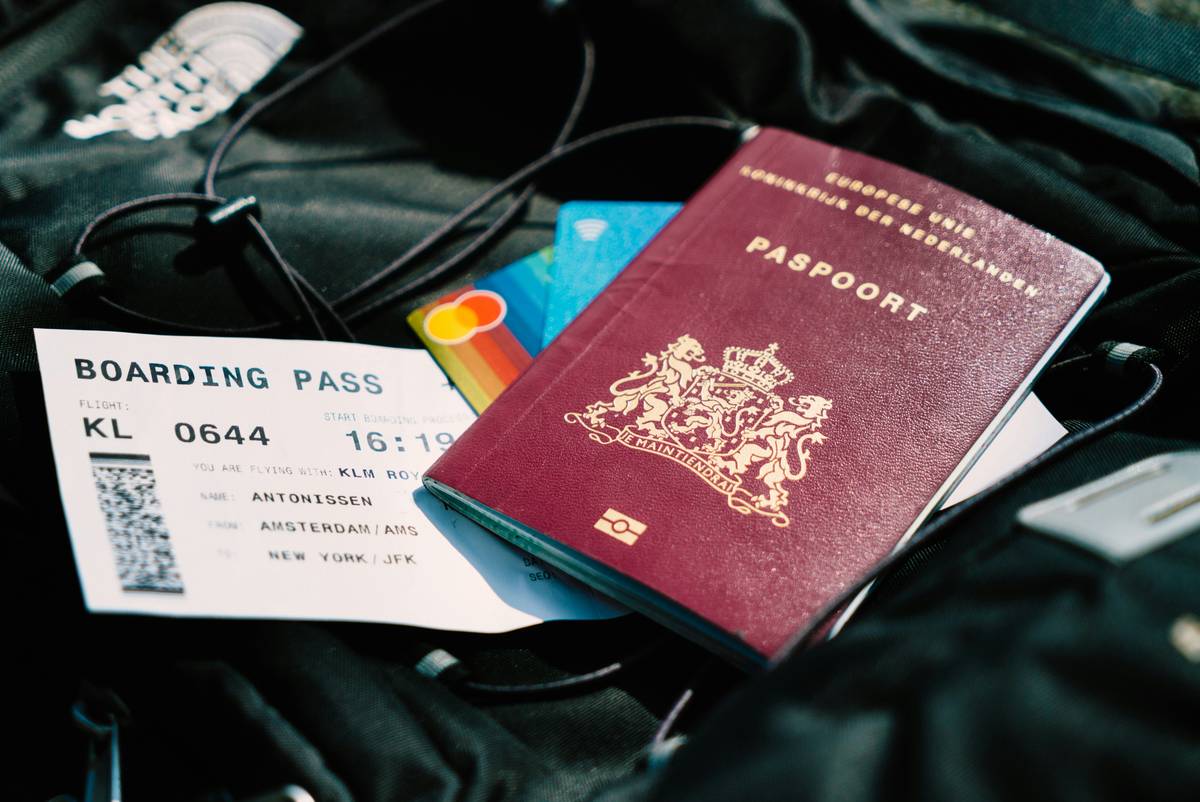
This fragmentation means your credit card’s built-in baggage delay or loss benefit might not trigger if your ticket shows a different operating carrier than your card issuer expects. According to the U.S. Department of Transportation, over 25% of baggage complaints involve multi-airline itineraries where responsibility was disputed.
Step-by-Step Guide to Securing Reliable Baggage Coverage
1. Identify Your Operating Carrier
Check your e-ticket or boarding pass: the operating carrier (the one actually flying the plane) determines baggage liability—not the airline whose logo is on your ticket.
2. Review Your Credit Card Benefits
Call your card issuer or read the guide to benefits. Many premium cards (e.g., Chase Sapphire Reserve) cover baggage delay only if you booked the entire trip with that card—and exclude partner airlines unless specified.
3. Purchase Supplemental Insurance If Needed
If your itinerary crosses multiple alliance partners (Star Alliance, Oneworld, SkyTeam), consider third-party travel insurance. Providers like Allianz Global Assistance clearly state coverage across multi-carrier networks.
4. Document Everything
Take photos of your checked bags, keep receipts for essentials bought during delays, and file a Property Irregularity Report (PIR) at the airport immediately.
5 Best Practices for Stress-Free Travel with Multiple Carriers
- Pack essentials in carry-on: Medications, chargers, and a change of clothes prevent disaster if bags are delayed.
- Avoid “terrible tip” traps: Never assume elite status with one airline grants baggage perks across the whole partner airline network. Status benefits rarely extend to partner carriers’ baggage handling.
- Check alliance rules: Star Alliance members, for example, have common baggage rules—but only for through-checked bags on a single ticket.
- Use apps wisely: Flight tracking apps often don’t distinguish operating carriers—double-check manually.
- Know claim deadlines: Most insurers require notification within 20 days; airlines often demand reports within 24 hours for damage.
Real Cases: When Baggage Insurance Saved (or Failed) Travelers
Sarah K. flew from New York to Bangkok via Emirates and Thai Airways (both in different alliances). Her bag went missing on the Emirates leg. Her Amex Platinum covered $500 in essentials because she paid for the full fare with the card—but only after proving Emirates was the operating carrier. Had she booked through a third-party site without clear carrier info, her claim might have been denied.
Conversely, Mark T. assumed his United MileagePlus status would protect his bags on a Lufthansa codeshare. It didn’t. Lufthansa mishandled his suitcase, but United refused liability, and his credit card excluded partner-operated segments. He lost $1,200 in camera gear—a painful reminder that loyalty programs ≠ baggage insurance.
For more on how we evaluate travel protections transparently, see our About Us page. And if you’re unsure about your specific trip, contact us before you fly.
Frequently Asked Questions
Does my credit card cover baggage loss on a partner airline?
Only if the card’s terms explicitly include partner or codeshare flights. Most require you to charge the full itinerary to the card and name the operating carrier correctly during claims. Always verify before departure.
What’s the difference between marketing and operating carriers?
The marketing carrier sells the ticket (e.g., American Airlines). The operating carrier flies the plane (e.g., British Airways). Baggage liability falls solely on the operating carrier under international treaties.
Is baggage insurance worth it for short domestic hops within a network?
Rarely. U.S. domestic baggage liability is lower, and delays are less catastrophic. But for international multi-carrier trips, supplemental insurance is often a smart, low-cost hedge.
Can I rely on the airline’s free baggage protection?
You can file a claim, but coverage caps are modest (~$1,700 internationally), and payouts take weeks. Plus, if fault is disputed across a partner airline network, you might get nothing.
How do I prove which airline lost my bag?
File a PIR at the destination airport immediately. The report will list the last known scan point and assign preliminary responsibility. Keep this document—it’s essential for any insurance claim.
Conclusion
Navigating baggage protection across a partner airline network demands vigilance, not luck. From verifying operating carriers to understanding your credit card’s fine print, these steps turn potential disasters into manageable hiccups. Don’t wait for your suitcase to vanish—prepare now. Questions? We’re here to help: reach out to our team. And remember: in travel, the best insurance is knowing exactly who’s holding your bags. Fly smart, pack light, and always read the tiny text.