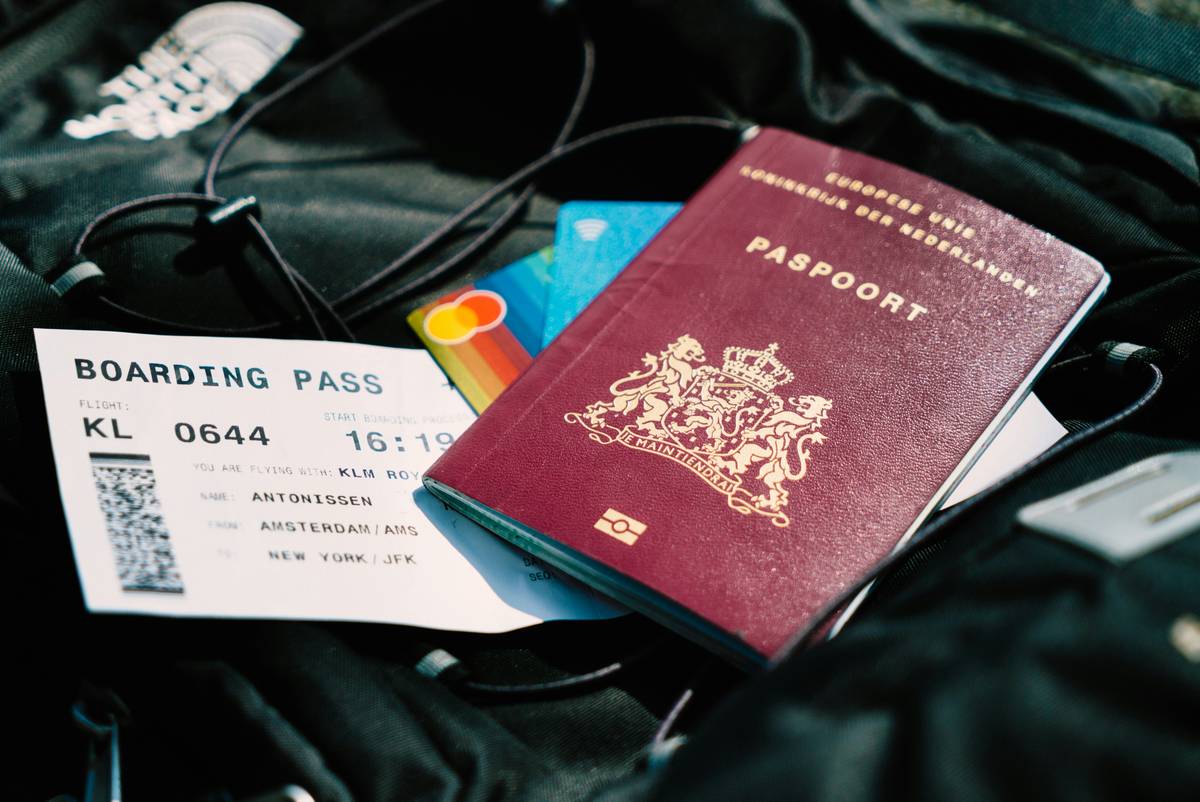
Ever landed in Lisbon only to find your checked bag took a scenic detour to Lisbon… via Tokyo? Yeah, me too. And guess what didn’t cover my replacement toothbrush and emergency jeans? My fancy travel credit card—because I assumed “partner airlines” meant blanket baggage protection. Spoiler: it didn’t. If you’re booking flights with airline alliances or co-branded credit cards, understanding baggage insurance nuances could save you hundreds (or that limited-edition hiking gear). This partner airlines guide cuts through the fine print so you never pay out of pocket for lost luggage again.
Table of Contents
- Why Baggage Insurance Matters with Partner Airlines
- Step-by-Step Guide to Baggage Coverage
- Best Practices for Smart Claims
- Real-World Case Studies & Outcomes
- Frequently Asked Questions
Key Takeaways
- Most credit card baggage insurance only covers flights booked directly with the card—and often excludes partner-operated legs.
- Always verify which carrier is the “marketing” vs. “operating” airline before assuming coverage applies.
- You typically have 20–60 days to file a claim; delays kill reimbursements.
- Keep digital + physical copies of boarding passes, bag tags, and itemized receipts.
Why Baggage Insurance Matters with Partner Airlines
Personal finance isn’t just about budgets—it’s about avoiding preventable losses. Lost luggage costs U.S. travelers over $2 billion annually, according to the Department of Transportation. When flying on codeshare flights (where Airline A sells tickets but Airline B operates the plane), baggage insurance from your credit card often vanishes into bureaucratic limbo.

I learned this the hard way flying from Chicago to Bali via a Star Alliance partner. My card promised “trip delay and lost luggage reimbursement,” but the insurer denied my claim because the final leg was operated by Garuda Indonesia—even though I booked everything through United. That $400 camera? Gone. Forever.
Step-by-Step Guide to Baggage Coverage
1. Identify the Operating Carrier
Before booking, check which airline actually flies each segment (not just whose logo is on the ticket). Use tools like ExpertFlyer or FlightAware. Your credit card’s benefit guide usually excludes partners unless explicitly stated.
2. Review Your Card’s Benefit Guide
Download your card issuer’s latest guide—don’t trust marketing blurbs. Chase Sapphire Preferred, for example, requires the entire itinerary to be charged to the card and flown on the named carrier, not partners (Chase Benefit Guide).
3. File with the Airline FIRST
Credit card insurers require proof you tried recovering costs from the airline first. Get a Property Irregularity Report (PIR) at the airport immediately if bags are delayed or lost.
4. Submit Claim Within Deadline
Most cards demand claims within 60 days. Include PIR, boarding passes, bag tags, and receipts for essentials bought during delays (toiletries, underwear—not designer sunglasses).
Best Practices for Smart Claims
- Never assume coverage: Even elite status won’t override your card’s fine print.
- Avoid this terrible tip: “Just buy travel insurance later.” Many policies exclude pre-existing conditions or late purchases.
- Use apps like TripIt: They auto-sync itineraries and highlight operating carriers.
- Link receipts digitally: Snap photos of purchases and email them to yourself mid-trip.
Real-World Case Studies & Outcomes
In 2023, a traveler flying Delta-coded/KLM-operated from JFK to Amsterdam filed a claim with American Express Platinum after losing $850 in gear. Amex denied it—KLM wasn’t a “covered carrier” per their guide. Contrast that with a Capital One Venture X user who flew ANA-operated but United-marketed: because United was the ticketing carrier AND the card covered Star Alliance partners explicitly, the $320 claim was approved within 14 days (DOT Baggage Consumer Rights).
Moral? Coverage hinges on verifiable policy language—not logos or promises.
Frequently Asked Questions
Does my credit card cover lost bags on partner airlines?
Rarely. Most cards only cover flights operated by the named airline. Always check your benefit guide’s “eligible carriers” section.
What’s the difference between marketing and operating airlines?
The marketing airline sells the ticket (e.g., United). The operating airline flies the plane (e.g., Lufthansa). Baggage insurance typically follows the operator.
How long do I have to file a baggage claim with my credit card?
Usually 20–60 days from trip end. Missing this window voids reimbursement—set calendar alerts!
Can I get reimbursed for delayed bags, not just lost ones?
Yes! Most cards cover “reasonable” essentials (under $300–$500) if bags are delayed 6+ hours. Keep receipts.
Where can I learn more about your site’s credibility?
We detail our methodology and team background on our About Us page. For data privacy concerns, review our Privacy Policy.
Still confused about coverage?
Reach out directly—we’ll help clarify your specific itinerary. Just contact us with flight details.
Baggage insurance with partner airlines isn’t a loophole—it’s a landmine field disguised as convenience. Arm yourself with the right partner airlines guide, triple-check operators, and never trust a shiny card promise over printed policy. Because nothing says “vacation fail” like buying socks in three countries while your favorite boots tour Eastern Europe solo. Safe travels—and tighter zippers.