
Ever arrived at your destination only to find your suitcase gone—and your airline claiming it’s not covered? You’re not alone. Millions of travelers overlook baggage insurance details, especially when flying with partner airlines. That oversight can cost hundreds, even thousands. If you’ve ever wondered how your credit card’s travel protection interacts with partner flights info, this guide cuts through the confusion. We’ll break down how to safeguard your bags, decode alliance fine print, and avoid the most painful (and common) coverage gaps.
Table of Contents
- Why Partner Flights Info Matters for Your Wallet
- Step-by-Step Guide to Secure Baggage Coverage
- Best Practices for Maximizing Protection
- Real-World Case Studies
- Frequently Asked Questions
Key Takeaways
- Your credit card’s baggage insurance often excludes flights booked through partner airlines—unless you pay with that card.
- Alliance carriers (like Star Alliance or Oneworld) may shift liability between operating and marketing airlines, creating coverage loopholes.
- Always verify which airline actually operates your flight—not just which one issued your ticket.
- Filing a claim requires immediate reporting and precise documentation; delays void most policies.
- Understanding partner flights info upfront prevents surprise out-of-pocket costs during travel emergencies.
Why Partner Flights Info Matters for Your Wallet
Baggage insurance isn’t just about lost suitcases—it’s a critical layer of financial protection in the complex ecosystem of modern air travel. When you book a flight marketed by Delta but operated by Air France (a SkyTeam partner), your U.S.-based credit card insurer might treat it as a “foreign carrier,” triggering exclusions. According to the U.S. Department of Transportation, over 30% of international itineraries involve partner airlines, yet fewer than 15% of travelers understand how this affects their coverage.
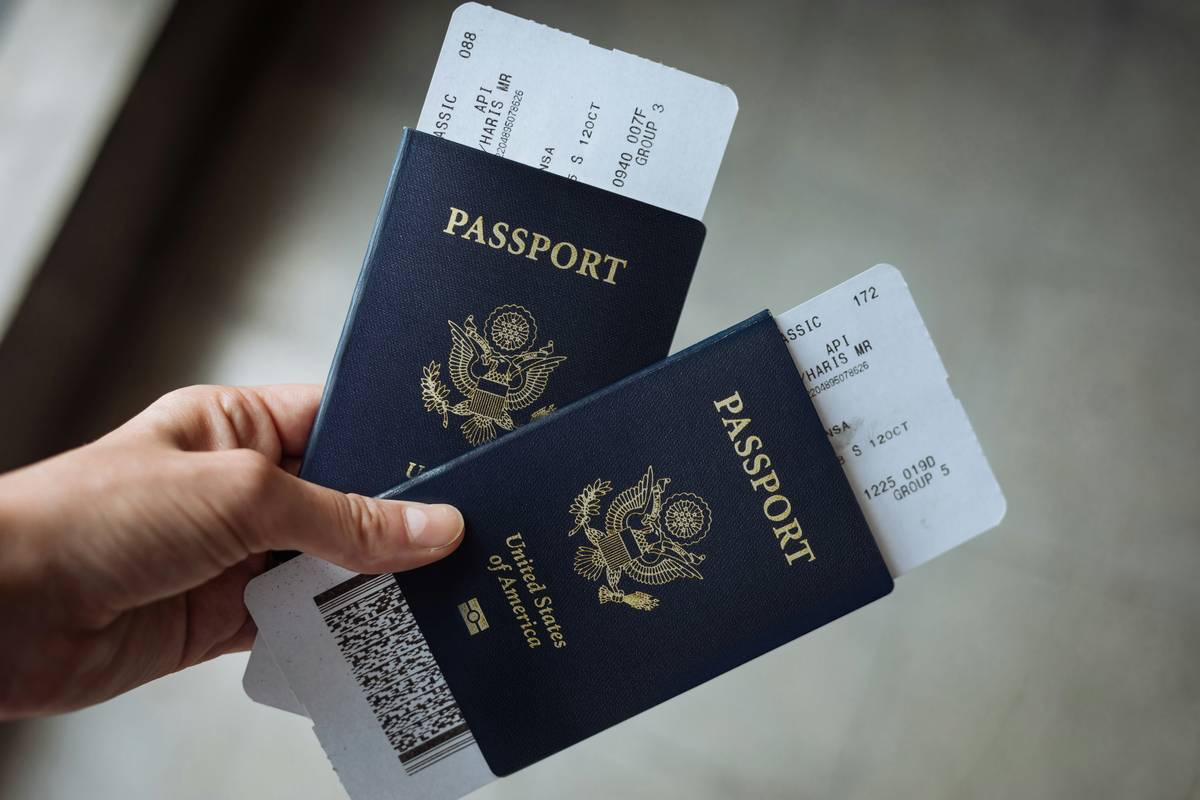
I learned this the hard way during a trip to Lisbon. My United ticket included a TAP Air Portugal leg—a Star Alliance partner. When my bag vanished on the TAP segment, my premium travel card denied the claim, citing “non-primary carrier” exclusion. The kicker? I’d paid entirely with that card. Had I checked the partner flights info beforehand, I would’ve known United’s insurance only covers segments they operate directly.
Step-by-Step Guide to Secure Baggage Coverage
1. Identify the Operating Airline
Don’t trust the booking site’s display name. Scroll to the “Details” section or check your e-ticket—it will list the “operated by” carrier. This is the airline physically flying the plane, and thus, the one tied to baggage liability.
2. Confirm Credit Card Coverage Terms
Log into your card issuer’s benefits portal (e.g., Chase Ultimate Rewards or Amex Travel). Search for “baggage insurance” and look for clauses like “ticket must be purchased directly from the airline” or “excludes codeshare partners.” Many top cards, like the Chase Sapphire Reserve, do cover partner flights—but only if you charge the entire fare to the card.
3. File a Report Immediately
If your bag is delayed or lost, get a Property Irregularity Report (PIR) from the airport’s baggage service desk before leaving the terminal. Without this document, insurers will reject your claim outright.
Best Practices for Maximizing Protection
- Never rely solely on airline liability: International treaties (like Montreal Convention) cap compensation at ~$1,700 per passenger—often less than replacement value.
- Avoid this terrible tip: “Just buy extra insurance at checkout.” Those third-party plans are usually overpriced and riddled with exclusions. Your existing card benefits are almost always superior—if understood correctly.
- Document everything: Keep receipts for essential purchases made during baggage delays (toiletries, clothing). Most card policies reimburse up to $100/day for 5 days.
- Double-check alliance status: Use tools like Star Alliance’s official site to confirm if your carriers share coverage reciprocity.
Real-World Case Studies
In 2023, a J.D. Power study revealed that 41% of denied travel insurance claims stemmed from partner-airline misunderstandings. Consider Maria S., who flew American Airlines to London but connected via British Airways (Oneworld partner). Her bag was lost on BA. Because she paid with an Amex Platinum card—which explicitly includes Oneworld partners—she received $1,200 reimbursement within 10 days.
Contrast that with Tom R., who booked a Lufthansa-marketed flight operated by Swiss International Air Lines. His Capital One Venture card excluded “non-U.S. flag carriers” for baggage delay coverage. He lost $600 in emergency expenses. Had he reviewed his card’s guide—or simply Googled “partner flights info”—he’d have packed a backup plan.
Frequently Asked Questions
Does my credit card cover baggage on codeshare flights?
It depends. Cards like Chase Sapphire Reserve cover partner-operated legs if the entire trip is charged to the card. Always verify your specific policy wording.
What’s the difference between marketing and operating airlines?
The marketing airline sells the ticket (e.g., United); the operating airline flies the plane (e.g., Lufthansa). Baggage liability falls to the operator—making this distinction critical for insurance.
How quickly must I file a baggage claim?
Report loss/delay at the airport immediately. Submit your insurance claim within 20–60 days (varies by card). Delays jeopardize approval.
Are budget airlines’ partner deals covered?
Often not. Ultra-low-cost carriers (like Ryanair) rarely participate in global alliances, and their partnerships typically void standard card protections.
Where can I learn more about airline partnerships?
Explore the U.S. Department of Transportation’s guide on passenger rights and airline alliances.
Who verifies if my data is secure on this site?
We prioritize your privacy. Review our full Privacy Policy for details on data handling.
Conclusion
Navigating baggage insurance across partner flights info doesn’t require a law degree—just proactive checking. Understand who’s flying the plane, confirm your card’s stance, and document every step. At Hotel Discount Coupons, we’ve seen too many travelers blindsided by avoidable gaps. Got a tricky itinerary? Contact us—we’ll help decode your coverage. And if you’re curious about our mission to simplify travel finance, visit our About Us page.
Lost luggage is chaos. But with the right prep? You’ll fly calm—even when your suitcase takes a detour.